ORTHOPAEDIC SURGEON
SHOULDER CARE
Rotator cuff
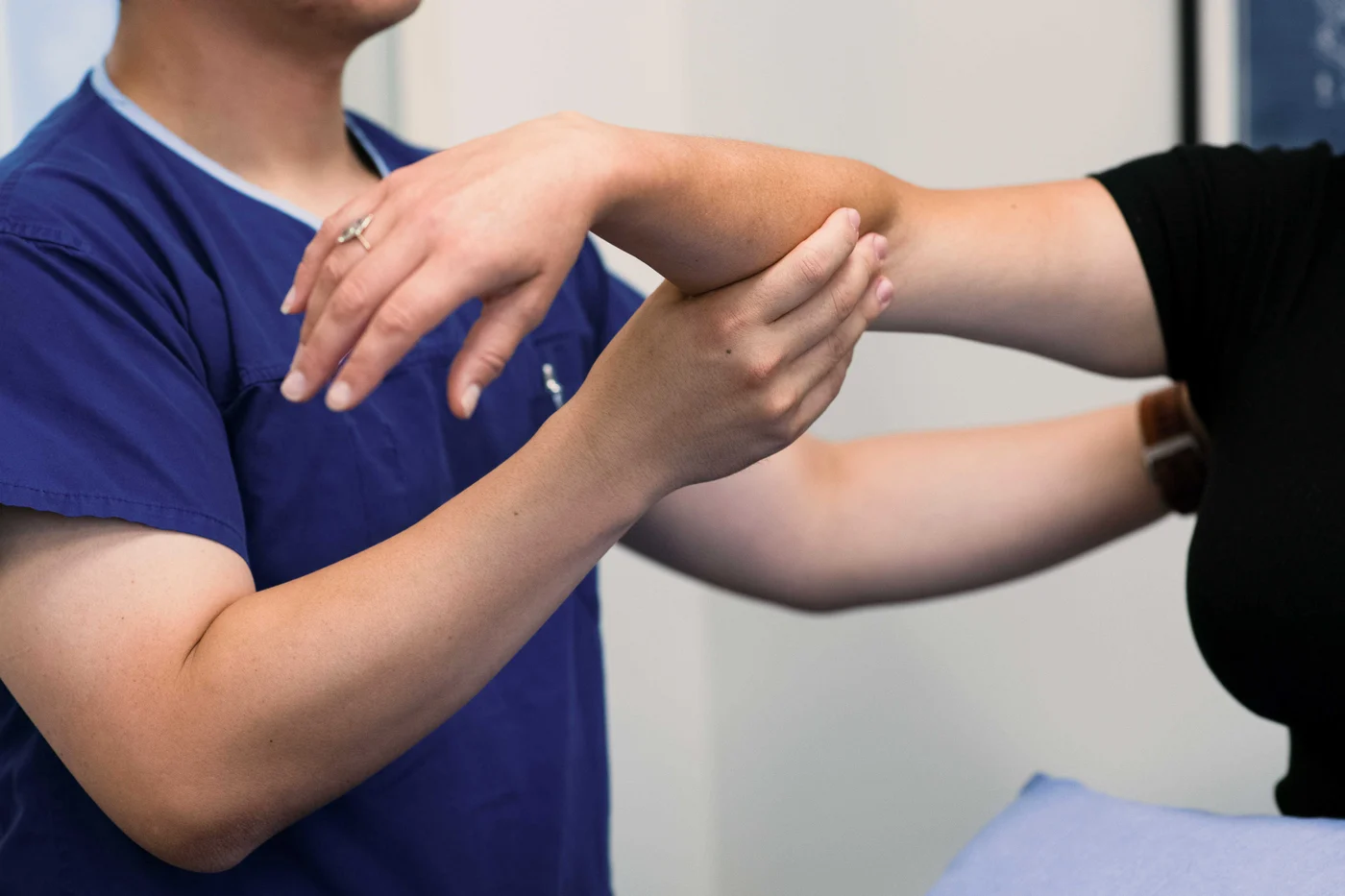
The rotator cuff is a group of muscles and tendons that helps move and stabilise the shoulder. Tears may cause pain, weakness and difficulty lifting the arm. Dr Tu assesses the tear, your symptoms and your activity needs before discussing treatment.
When repair is appropriate, Dr Tu performs arthroscopic rotator cuff repair, using a camera and instruments through small incisions to reattach the torn tendon to bone.
Recovery includes protecting the repair, often with a sling, followed by staged rehabilitation. The programme depends on the tear and repair; heavy work and sport require guidance from your treating team.
Patient guides & recovery
Rotator cuff repair: patient guidePDF ↗Secure or small repair: postoperative protocolPDF ↗Large repair: postoperative protocolPDF ↗SHOULDER CARE
Arthroscopic surgery
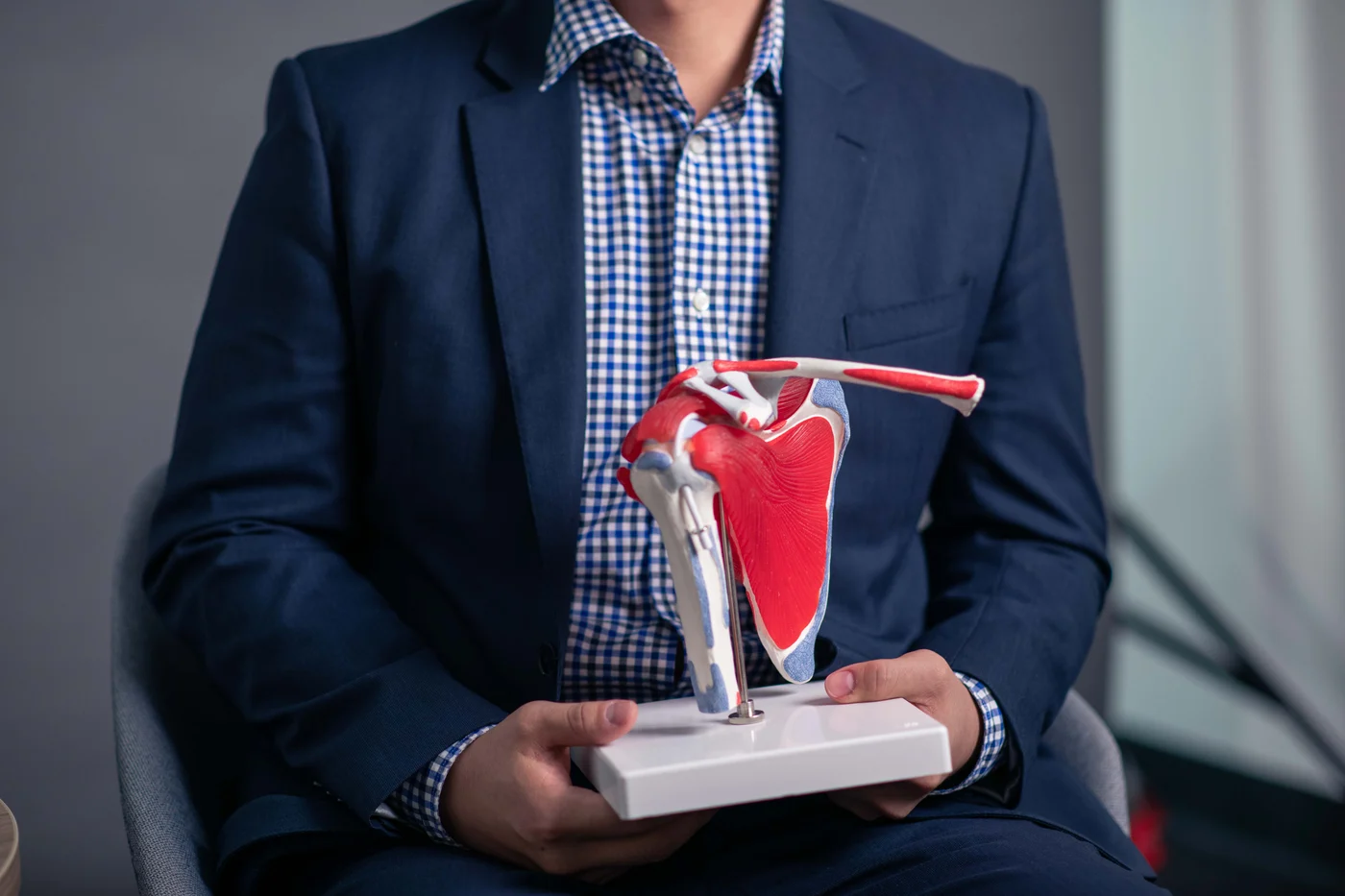
Arthroscopy is keyhole surgery: a small camera allows the surgeon to see inside the shoulder and guide instruments through small incisions.
It is a technique used for several operations, including rotator cuff repair and shoulder stabilisation. The procedure performed depends on the problem identified and the treatment agreed with you.
Small incisions do not mean that every procedure has a short recovery. A tendon or ligament repair still needs time to heal, and rehabilitation must match the operation. Use the specific protocol Dr Tu gives you.
Patient guides & recovery
Shoulder arthroscopy: patient guidePDF ↗Shoulder arthroscopy: postoperative protocolPDF ↗Planning your recovery
Risks vary by procedure and can include infection, nerve injury and anaesthetic complications. Outcomes and recovery times differ between patients.
Use the protocol specified by Dr Tu for your procedure. Your individual instructions take priority; contact the rooms if you are unsure which document applies.
Dr Tu will discuss the benefits, risks and recovery appropriate to your circumstances.